Meltdown or Tantrum? Decoding the Sensory Behavior Language
By Cheyenne Lofthouse-Wolf, LCSW
Tags, noise, crowds, and the after-school crash. Some meltdowns aren't about getting their way. Their body is overloaded.
Pass it on
 DeclassifiedFILE SENS-01
Key clue
Behavior falls apart in loud, bright, busy, or long days, and often right after holding it together.
First move tonight
Lower the input first (quiet, dim, snack, water) before you talk about the behavior.
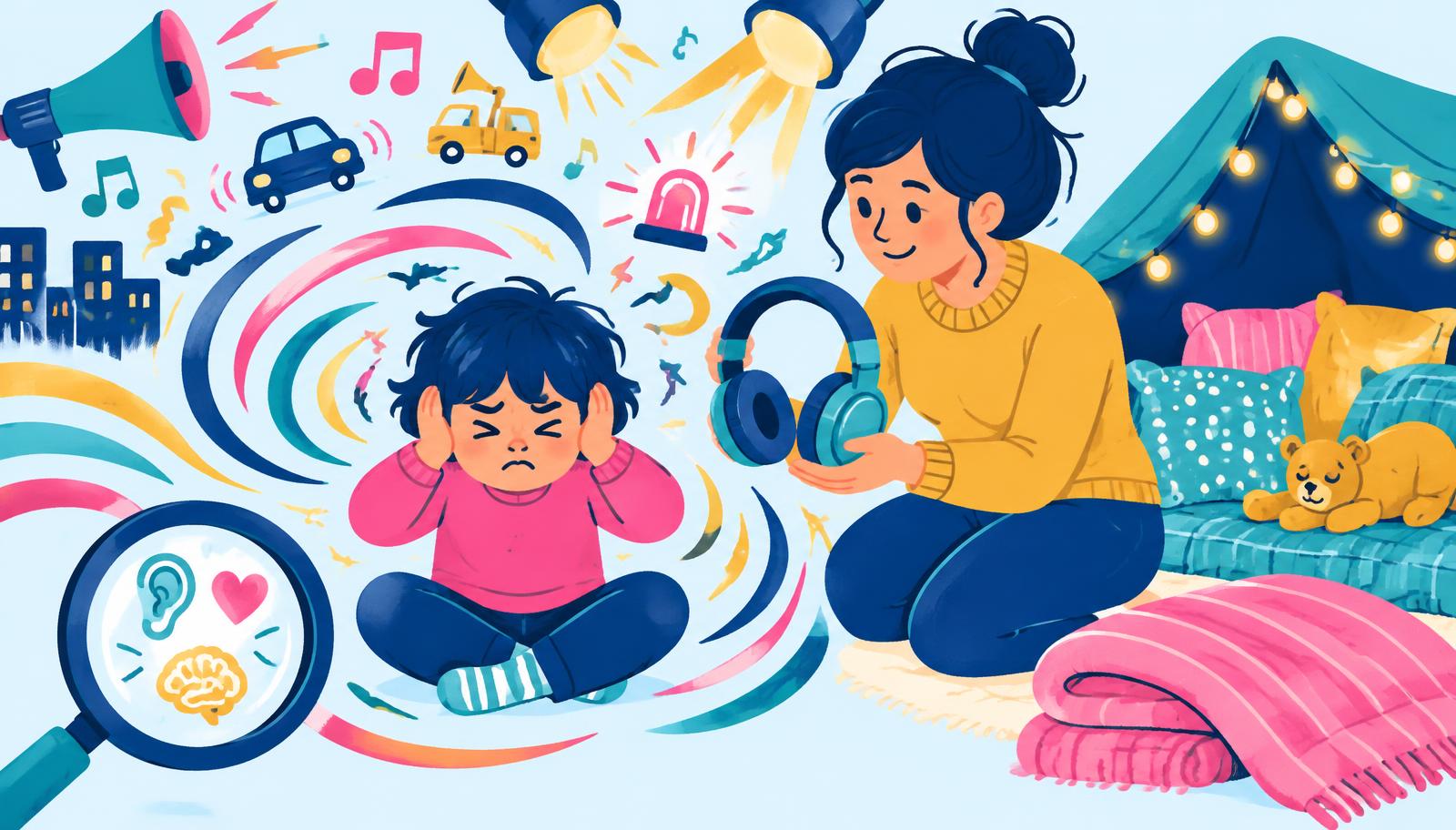
If your child falls apart in crowded stores, hates certain clothes, covers their ears, or melts down right after school, their behavior may be speaking the Sensory language. Sensory is one of the 5 Behavior Languages™, and it signals a nervous system that's had too much input.
What's the difference between a meltdown and a tantrum?
A tantrum usually has a goal, and it often stops when the goal is met or there's no audience. A meltdown happens when a child is overwhelmed and has lost the ability to cope; it doesn't stop just because they get what they wanted.
Sensory meltdowns need calming support, not consequences in the moment.
What are signs of sensory overload in kids?
Watch for covering ears or eyes, refusing clothes or foods based on texture, crashing into furniture, sudden hyperactivity in busy places, irritability when hungry or tired, and the classic after-school restraint collapse.
How do I calm a child during a sensory meltdown?
Reduce input: move somewhere quieter, dim lights, lower your voice, use fewer words.
Offer body-based regulation: a tight hug if they want it, a weighted blanket, water, a crunchy snack, or heavy work like pushing a wall.
Talk later. Once their body is calm, you can name what happened and plan for next time.
Plan ahead: snack at pickup, a quiet first 20 minutes home, headphones for loud places.
When to ask a professional
If sensory reactions interfere with daily life, ask your pediatrician about an occupational therapy evaluation. Parent HQ coaching supports parents; it does not diagnose.
Quick answers
- Why does my child melt down after school?
- Many kids hold it together all day and release built-up sensory and emotional overload once they're safe at home. A snack and quiet time often help.
- Should I give consequences for a meltdown?
- Not in the moment. Focus on calming the body first, then talk and problem-solve once your child is regulated.
Ask about this article
Got a question? Decode it here.
Get a quick plain-language explanation based on this article. Your question also goes to Cheyenne, the Director, who may answer it herself.
Pass it on
What language is your child's behavior speaking?
Take the free quiz →Parent HQ is coaching and education, not therapy, medical treatment, or emergency care.