My Child Hits Me: What to Do When Your Child Is Aggressive Toward You
By Cheyenne Lofthouse-Wolf, LCSW
Being hit, kicked, or shoved by your own child is scary and lonely. You're not alone, and there are steps that make tomorrow safer.
Pass it on
 DeclassifiedFILE CASE-02
Key clue
Aggression usually comes at the peak of overwhelm, when talking has already stopped working.
First move tonight
Make a simple safety plan: where you'll step away, what you'll say, and who you can call.
If your child hits you, your first job is safety: yours, theirs, and any siblings'. Discipline and teaching come later, once everyone is calm.
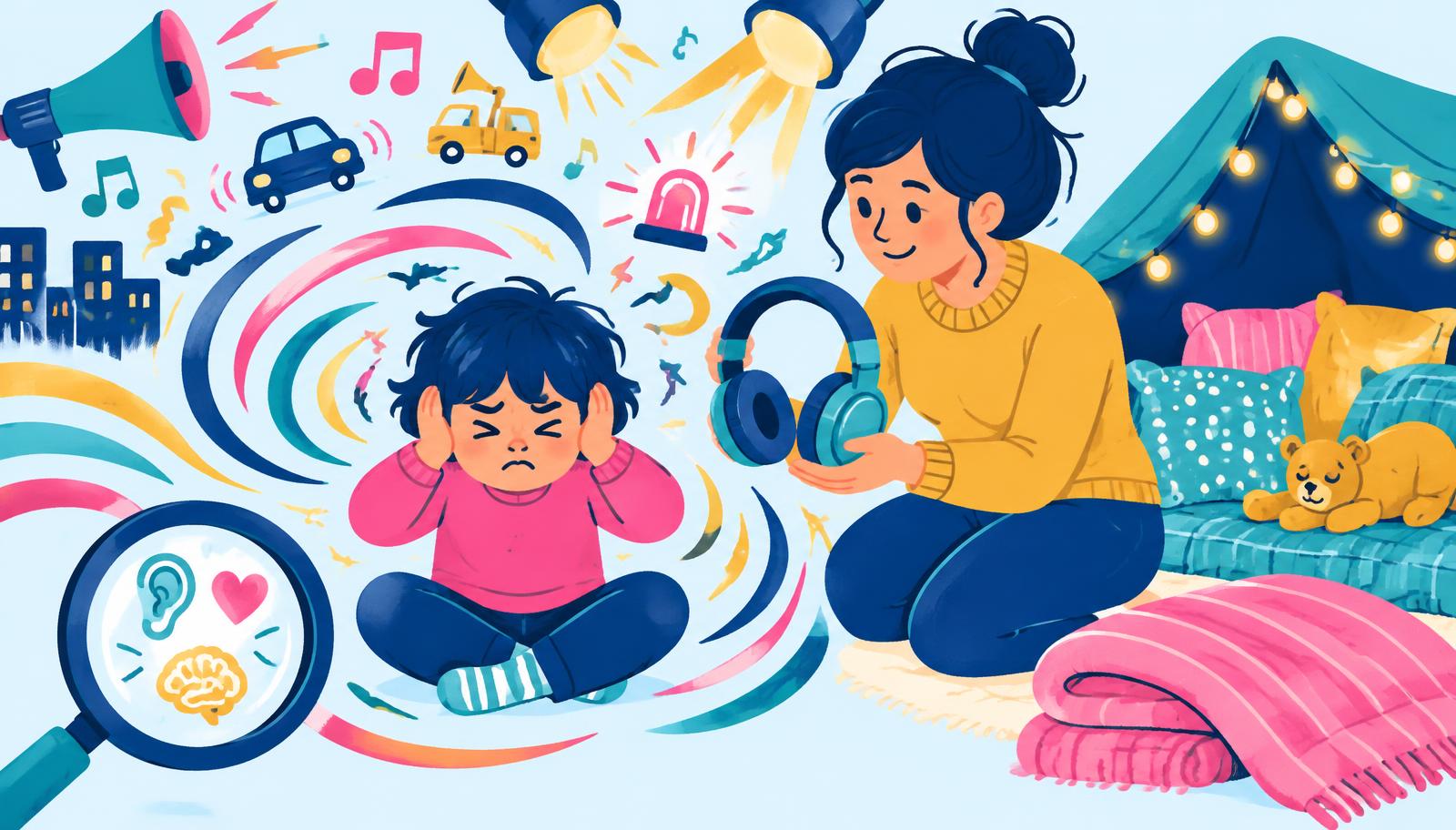
Child-to-parent aggression often happens when a child's nervous system is flooded. In the 5 Behavior Languages™ that often reads as Sensory overload, but it can show up in any language.
What should I do in the moment?
Create space. Step back, move siblings out, and remove anything that could be thrown. Use very few words: "I won't let you hurt me. I'm right here." Don't try to reason, lecture, or grab unless someone is in danger.
What should I do after it's over?
Wait until both of you are fully calm, sometimes hours later. Then name it simply: "You hit me. That's not okay. Let's figure out what happened right before." Plan a repair, like helping clean up or a written apology, rather than a punishment that adds shame.
How do I prevent the next one?
Look for the build-up: hunger, transitions off screens, homework, tiredness, being told no. Add a warning plan for those moments and teach a body break, like a cold drink, a walk, or a pillow to punch.
If aggression is frequent, getting bigger, or leaving marks, bring in professional help now. You deserve support, and so does your child.
When to get more support
Parent HQ offers parent coaching, not therapy or diagnosis. If you're worried about your child's safety, mental health, or development, talk with your pediatrician or a licensed professional. In an emergency, call 911; for a mental health crisis, call or text 988.
Quick answers
- Is it normal for a 10-year-old to hit their parent?
- It's more common than parents admit, but it's a serious signal that your child needs more support managing big feelings. Talk with your pediatrician or a licensed professional.
- Should I hit back or restrain my child?
- No. Hitting back escalates and teaches the opposite of what you want. Focus on space and safety; call 911 if anyone is in danger.
- What consequence works for hitting?
- Calm repair after the storm works better than harsh punishment in the moment.
Ask about this article
Got a question? Decode it here.
Get a quick plain-language explanation based on this article. Your question also goes to Cheyenne, the Director, who may answer it herself.
Pass it on
What language is your child's behavior speaking?
Take the free quiz →Parent HQ is coaching and education, not therapy, medical treatment, or emergency care.