Disrespectful Child: How to Handle Backtalk, Eye Rolls, and Swearing
By Cheyenne Lofthouse-Wolf, LCSW
"Whatever." "You can't make me." Swearing at you. Here's how to respond without starting a war.
Pass it on
 DeclassifiedFILE CASE-12
Key clue
Disrespect spikes when your child feels bossed, embarrassed, or unheard.
First move tonight
Respond to the need, not the tone, then address the tone later.
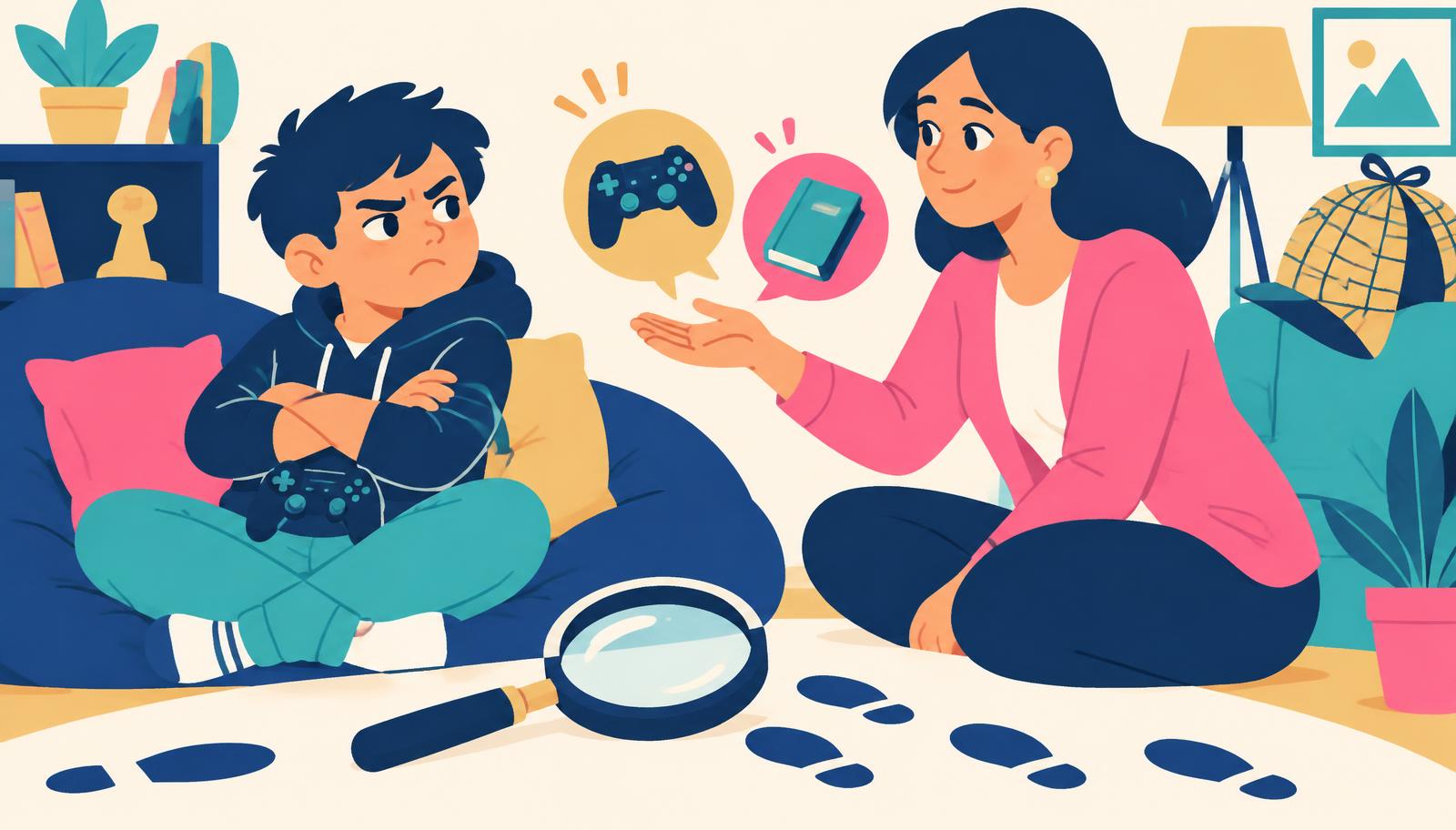
Backtalk, eye rolls, and swearing are some of the most triggering behaviors for parents. They often speak Control (pushing for power) or Justice (feeling treated unfairly).
How should I respond to backtalk in the moment?
Stay calm and brief. "I'll listen when you can say that without yelling." Avoid matching the insult or getting into a debate.
How do I teach respect?
Model it. Talk later about what was really going on. Give your child real ways to disagree respectfully: "Can we talk about this later?" or "I don't agree."
What about teens?
Teen defiance is often about independence. Give more say where you can, and hold firm on safety.
When to get more support
Parent HQ offers parent coaching, not therapy or diagnosis. If you're worried about your child's safety, mental health, or development, talk with your pediatrician or a licensed professional. In an emergency, call 911; for a mental health crisis, call or text 988.
Quick answers
- Should I punish my child for swearing at me?
- Address it calmly once everyone has cooled down, with a clear expectation and a repair.
- Is backtalk normal for teens?
- Some pushback is a normal part of growing up. Constant cruelty is a signal to get more support.
- How do I stay calm when my child is disrespectful?
- Remember it's information, not a verdict on you. Take a breath before responding.
Ask about this article
Got a question? Decode it here.
Get a quick plain-language explanation based on this article. Your question also goes to Cheyenne, the Director, who may answer it herself.
Pass it on
What language is your child's behavior speaking?
Take the free quiz →Parent HQ is coaching and education, not therapy, medical treatment, or emergency care.