Child Hits Themselves or Bangs Their Head When Upset: What Parents Should Do
By Cheyenne Lofthouse-Wolf, LCSW
Hitting their own head, biting their arm, banging into walls. Watching your child hurt themselves in frustration is frightening. Here's how to respond safely.
Pass it on
 DeclassifiedFILE CASE-23
Key clue
Self-hitting often shows up when the feeling is bigger than your child's words, and the body grabs strong sensation to cope.
First move tonight
Stay close and calm, block hard surfaces with a pillow, and offer safe pressure instead.
When a child hits their own face, bangs their head, or bites themselves in a meltdown, it can be one of the scariest things a parent sees. For many kids this is a way to release overwhelming frustration or get intense sensory input, not a plan to cause harm.
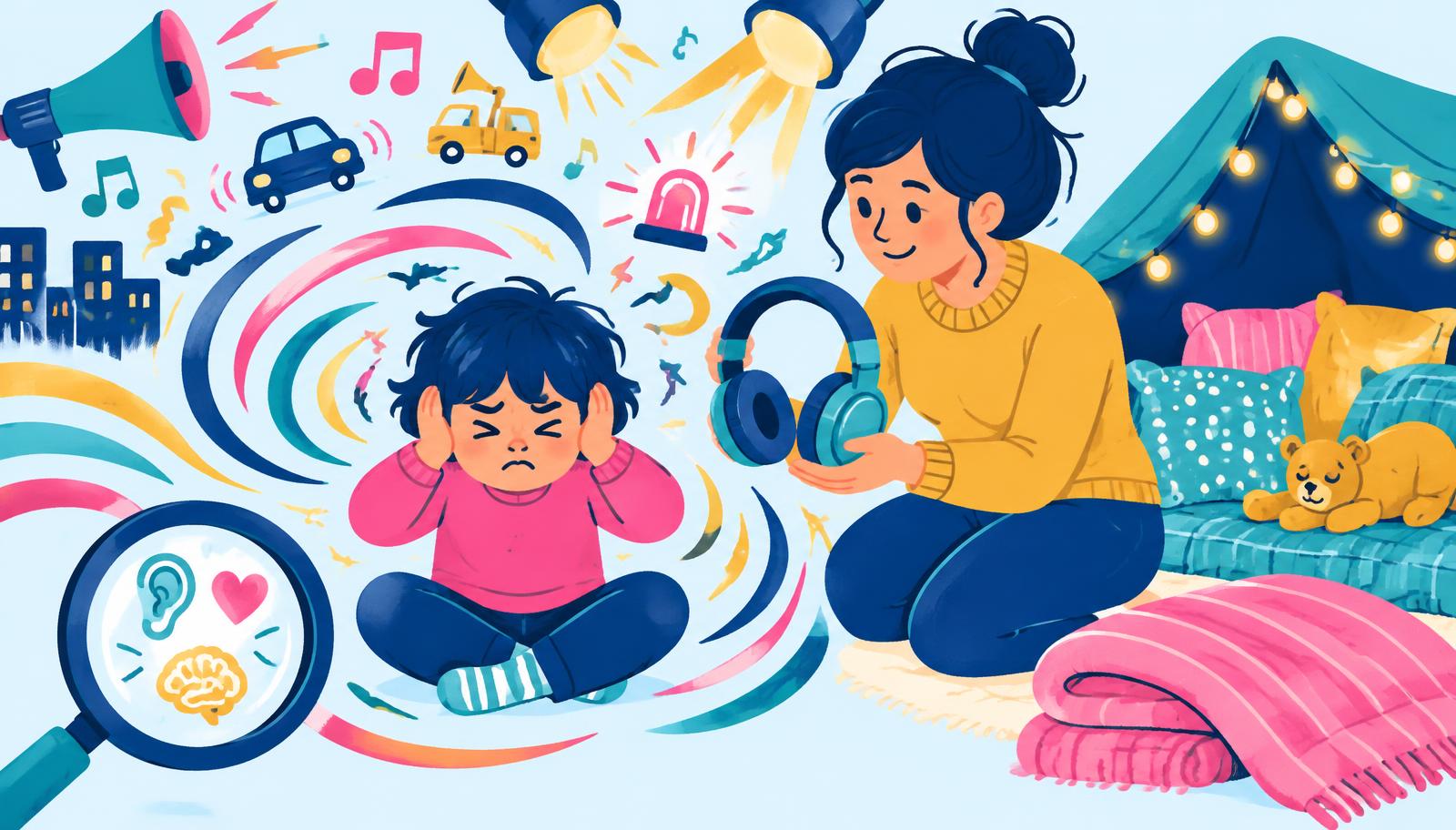
In the 5 Behavior Languages™, this often reads as Sensory: the body is overloaded and searching for something strong enough to cut through it.
What should I do in the moment?
Stay calm and close. Put a pillow, cushion, or your hand between their head and a hard surface. Use few words: "I won't let you get hurt. I've got you."
Offer safer strong input: a tight hug if they welcome it, squeezing a pillow, pushing against a wall, or holding something cold.
How can I reduce it over time?
Track when it happens. Common triggers include frustration with tasks, transitions, communication struggles, and sensory overload.
Build a daily sensory plan with heavy work like carrying, jumping, or pushing. Teach and practice a "help" signal so your child can ask for a break before the feeling explodes.
When is this more serious?
Any self-injury that causes marks, bruises, or happens often deserves a professional evaluation. For tweens and teens, cutting or talk of wanting to die needs urgent help: call or text 988, or call 911 if they're in danger.
When to get more support
Parent HQ offers parent coaching, not therapy or diagnosis. If you're worried about your child's safety, mental health, or development, talk with your pediatrician or a licensed professional. In an emergency, call 911; for a mental health crisis, call or text 988.
Quick answers
- Is it normal for a child to hit themselves when angry?
- Some kids do it during big meltdowns, but it always deserves attention. Frequent or injurious self-hitting should be checked by a professional.
- Should I hold my child's hands?
- Gently protect them from injury if needed, but avoid restraining. Redirect to safe pressure and protect their head with cushions.
- What if my older child is hurting themselves on purpose?
- Take it seriously and get help right away. Call or text 988 for crisis support, and talk with your pediatrician or a licensed professional.
Ask about this article
Got a question? Decode it here.
Get a quick AI explanation grounded in this article. Cheyenne gets your question too and may reply herself.
Pass it on
What language is your child's behavior speaking?
Take the free quiz →Next move with Cheyenne
Stuck on this exact behavior?
Book a 60-minute Behavior Audit over Zoom. We investigate one big behavior together, and you leave knowing how to respond — with professional recommendations for home.
Book my Behavior AuditParent HQ is coaching and education, not therapy, medical treatment, or emergency care.