Anxiety in Children: When Worry Looks Like Bad Behavior
By Cheyenne Lofthouse-Wolf, LCSW
Anxious kids don't always look worried. Sometimes they look angry, controlling, or defiant.
Pass it on
 DeclassifiedFILE CASE-08
Key clue
The blowup happens right before something new, uncertain, or performance-based.
First move tonight
Ask "What's the worst part?" instead of "Why are you acting like this?"
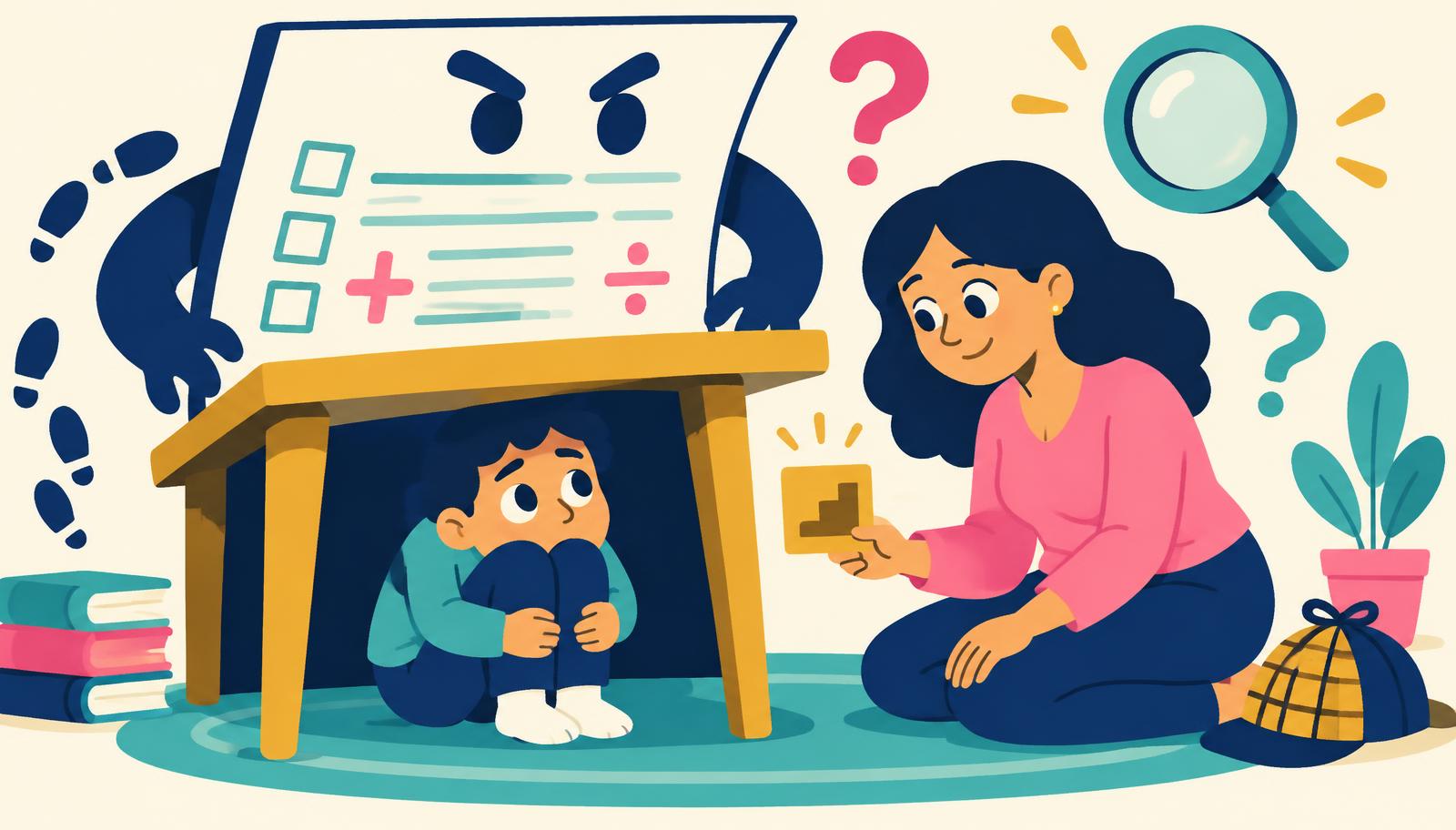
Anxiety in children often hides behind behavior: refusing, arguing, melting down, controlling the plan, or avoiding anything new.
In the 5 Behavior Languages™, anxiety often speaks Avoidance or Control. Both are attempts to make the scary thing smaller.
What are signs of anxiety in kids?
Stomachaches and headaches, trouble sleeping, needing lots of reassurance, avoiding activities, perfectionism, irritability, and meltdowns before events.
How do I help an anxious child?
Validate and stay confident: "This feels scary, and I know you can handle it." Break the scary thing into small steps. Avoid rescuing them from every hard thing; avoidance makes anxiety grow.
What should I avoid?
Endless reassurance, letting them skip everything that's hard, and getting angry at the fear. Calm, steady encouragement works better.
When to get more support
Parent HQ offers parent coaching, not therapy or diagnosis. If you're worried about your child's safety, mental health, or development, talk with your pediatrician or a licensed professional. In an emergency, call 911; for a mental health crisis, call or text 988.
Quick answers
- Can anxiety cause anger in kids?
- Yes. When kids feel trapped by fear, it can come out as anger or defiance.
- Should I let my anxious child avoid things?
- Occasionally, but regular avoidance tends to make anxiety stronger. Small brave steps help more.
- When should I get help for my child's anxiety?
- When worry interferes with school, sleep, friendships, or family life, talk with your pediatrician or a licensed professional.
Ask about this article
Got a question? Decode it here.
Get a quick plain-language explanation based on this article. Your question also goes to Cheyenne, the Director, who may answer it herself.
Pass it on
What language is your child's behavior speaking?
Take the free quiz →Parent HQ is coaching and education, not therapy, medical treatment, or emergency care.